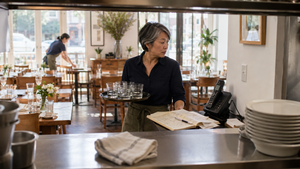
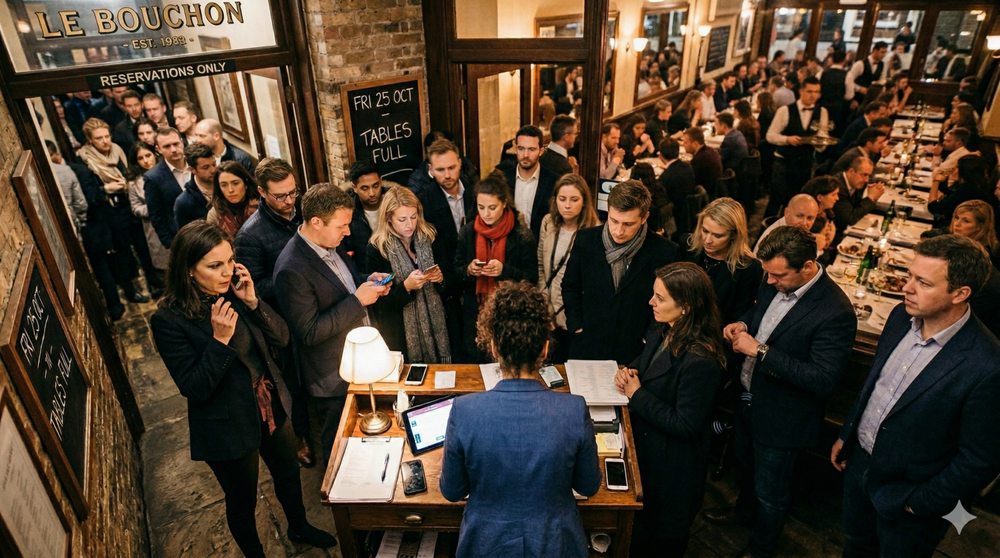
Despite all the digital tools out there, the phone remains the heart of the booking process. Guests want to know they’re being heard by a real person, and you want to know there’s a real human behind that reservation, not just a digital footprint.Every call matters because it represents a guest, a check, and the health of your restaurant. But we all know the reality: it’s Friday night, the house is full, and the phone won’t stop ringing. While your host is stuck explaining directions to someone on the line, a guest in the dining room is trying to catch their eye and getting frustrated.We looked at how independent owners around the world handle this pressure. Here are six ways to manage the noise—from the radical to the practical.A quick thought on the phone: A ringing phone isn't always a booking. It could be a vendor, someone looking for a job, or just a curious neighbor. Still, industry data shows that 70% to 80% of these calls are about reservations. If they can’t get through the first time, they probably won’t call back.
1. Cutting the line
The simplest way to stop missing calls is to stop taking them. You can pull your number from your website, social media, and Google Maps. In its place, you put a direct link to your booking form or a WhatsApp number. This ensures no one falls through the cracks.The downside is that guests can’t ask quick questions, and they have to wait for a text back. Sometimes that’s long enough for them to find another spot that answers faster.Barrafina in London took this even further. Their locations in Soho and Covent Garden don’t take phone bookings at all—it’s walk-in only. If you want a seat, you show up and wait. It’s a bold move that cuts the noise in the room, and looking at the lines out the door, it works for them. However, it makes it harder to see what your guest data tells you and keep a direct line to your regulars.
2. The smart answering machine
If you want to keep the phone but can’t answer during the rush, a well-set answering machine can be a relief valve. Most systems let you set a schedule for when it kicks in. You can use it to:
- Keep guests on the line with a story or an offer if you think you can get to them in a few minutes. If they wait, offer a small "thank you" gift when they arrive to make sure they actually show up.
- Ask them to leave a number for a callback. Just remember: while they wait for you, they might be looking at your neighbor’s menu.
- Give them a clear, simple way to find you on Google or Instagram for a direct booking.
3. Closing the books during peak hours
Some owners choose to stop taking reservations during their busiest windows. The risk here is losing guests who won't stand in line, which can hurt your relationship with people who want to return.A better way is a digital waitlist. Take their name and number, and send an SMS when their table is ready. This lets them walk the neighborhood instead of crowding your entrance. Kiln in Soho does this well—guests drop a name, wander Soho, and get a text when it’s time to eat. It clears the doorway and the phone lines.
4. The Auto-SMS reply
Some services recognize an incoming number and immediately send a text or WhatsApp with a booking link if you don't pick up. Tools like Enzak specialize in this. A missed call becomes an instant message with your menu and booking form. This keeps the relationship direct—no middleman—and ensures that person ends up in your system as a regular you can reach out to later.
5. Outsourced help
If you have clear scripts, you can use an outside person to handle the routine. This could be a freelancer or a professional service that has access to your booking system. We’ve seen cases where three or four local spots share one coordinator to manage all their calls. The key here is finding the right voice that fits your brand and keeping a close eye on the tone they use with your guests.
6. The Virtual Host
The most modern approach is a smart assistant built to handle the phone. These tools can be trained to use your voice and your specific vocabulary. While text-based assistants are affordable, voice-generation tools are still a bit of an investment for a small shop.For context, Yelp launched "Yelp Host" recently, starting at $149 a month, while more advanced platforms like Slang AI start around $379. These tools need to talk directly to your booking system so they can see your floor in real-time.For larger operations, the math makes sense. The Stinking Rose in the U.S. used a system called Hostie.ai; in six months, it handled 24,000 calls. 80% were resolved without the staff touching the phone, and their total phone bookings actually went up by 117%.If any of this sounds familiar, you know the weight of a ringing phone during a busy shift. We’re building ToBeOut specifically for this problem. Our goal is a smart host that’s integrated into your system but priced for independent spots.We don’t believe in high fixed monthly fees. You should only pay for the bookings that actually land on your floor—meaning you pay for results.Built for owners who built something real. Your guests. Your data. No middleman.You can join our waitlist below. We’ll keep you updated on our progress, and when the virtual host is ready, we’ll offer our first users a significant discount to help them grow at their own pace.